Innovation and Functionality in Interior Architecture: The Key to Transforming Spaces
7 minutos de lectura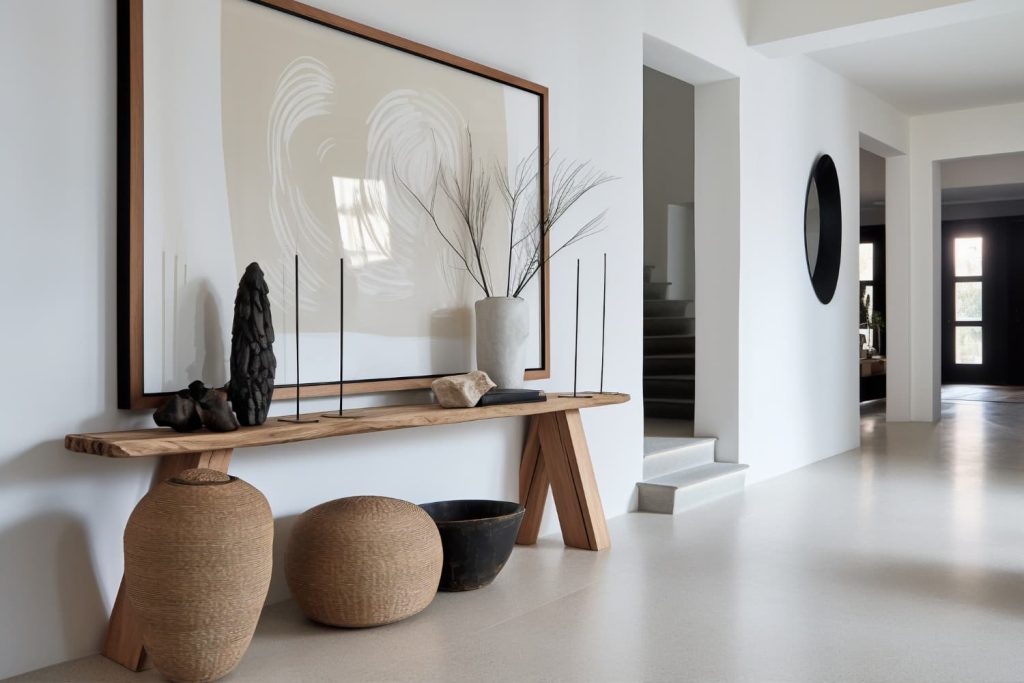
Interior architecture has gained a lot of traction in recent years as a discipline that blends aesthetics, technical knowledge, and user experience. This approach responds to changes in lifestyle, technological progress, and sustainability demands that require more sophisticated solutions than simple decoration. Professionals in the field face the challenge of balancing creativity with regulations, always aiming for functional results through innovative proposals adapted to each context. The result is spaces designed to improve the quality of life and efficiency of the people who live in or use them.
Interior Architecture: A Discipline in Constant Transformation
Interior architecture goes beyond traditional beautification and dives into spatial reorganization and the optimization of structural elements. This field requires a deep understanding of the building, the user, and the intended use, bringing together architectural principles and practical solutions. In Spain, the discipline has expanded across sectors like residential, commercial, healthcare, and education, which means professionals need to adapt to different requirements and regulations. Being able to provide comprehensive solutions is what separates a purely aesthetic project from one that is truly functional.
Work processes in interior architecture have evolved toward more collaborative and cross-disciplinary models. Today’s practice often includes architects, designers, engineers, and project managers working together to ensure technical and sensory consistency. This multidisciplinary approach allows teams to tackle complex challenges, such as working with buildings that have structural limitations or integrating new technologies. The increasing professionalization of the field has pushed the search for outcomes that balance form, functionality, and sustainability.
Key Factors Driving the Evolution of Interior Architecture
New technologies have changed how interior architecture projects are conceived and presented. Tools like 3D modeling and augmented reality allow for detailed visualizations before construction begins, optimizing time and reducing errors. These tools help clients and technical teams make decisions by showing the real impact of materials, colors, and volumes. Digitalization also enables more precise coordination among trades and suppliers.
Sustainability has become essential in interior architecture, influencing material selection, construction methods, and energy-management systems. Responsible projects aim to reduce environmental impact through controlled-origin materials, natural-light optimization, and efficient installations. This requires analysis of life cycles, maintenance, and recyclability to ensure long-lasting, environmentally coherent solutions. Adding sustainable criteria strengthens both the economic and social value of a project.
The increasing demand for personalized solutions has led teams to adapt their processes to respond to specific identities and needs. Today’s clients want spaces that reflect their lifestyle and remain flexible for future changes, which requires modular thinking and careful planning. Close collaboration with users from the start ensures that technical and aesthetic decisions come together in a viable, satisfying project. This personalized mindset affects everything—from furniture choices to circulation and services.
The Interior Architecture Process: Phases and Methodology
Every interior architecture project starts with a detailed analysis of needs, limitations, and client expectations, along with a study of the building and its surroundings. Concept proposals follow, exploring layout options, material choices, and lighting solutions while critically evaluating technical feasibility. Teams usually document alternatives through drawings, visual renderings, and virtual models that help in shared decision-making. This phase helps refine scope and budget before moving into technical definition.
Technical documentation includes construction drawings, detailed plans, and installation specifications to ensure proper execution. A well-defined project minimizes issues on site and improves coordination among trades, suppliers, and technical supervisors. During construction, oversight ensures quality and fidelity to the design, resolving issues as they arise and adapting proposals when needed. Project management therefore integrates monitoring of timelines, quality, and costs to achieve the initial objectives.
Operational Phases and Quality Control
Operational phases cover everything from early planning to final delivery, with specific controls at every stage to ensure compliance and safety. Detailed planning involves milestones, trade coordination, and acceptance criteria for materials and finishes. Periodic inspections and incident logs help document decisions and maintain traceability. This approach reduces risks and improves client satisfaction by delivering projects as promised.
Impact of Interior Architecture in Residential Settings
In urban housing, where space is limited, interior architecture redefines how square meters are used to maximize comfort and functionality. Residential projects incorporate integrated storage, multifunctional furniture, and lighting strategies that enhance spatial perception. Layouts are designed with practical criteria to create versatile areas that adapt to multiple daily uses while maintaining aesthetic coherence. The focus is on creating livable spaces and atmospheres that support rest and social connection.
Emotional well-being and health play a major role in residential interior architecture. Colors, textures, and natural elements are chosen deliberately to promote calmness and support healthy routines. Solutions also aim to improve air quality, natural light, and ergonomic comfort, contributing to a more pleasant home environment. These interventions have a direct impact on lifestyle and long-term sustainable use of the space.
Interior Architecture in Offices and Workspaces
Workplaces have evolved into environments that combine open areas with private spaces and informal meeting spots. Interior architecture creates layouts that encourage both collaboration and concentration, integrating acoustic, lighting, and ergonomic criteria into workstation and circulation design. Technology and adaptable furniture make it possible to reorganize the space based on team needs, improving efficiency and user experience. These changes reflect new work models and aim to boost performance and employee engagement.
Health and sustainability in offices translate into projects that promote indoor environmental quality and resource efficiency. Designs incorporate ventilation solutions, thermal control, and low-impact materials to create comfortable and responsible environments. Interior architecture also influences corporate identity, as workspaces reflect a company’s values and culture. Aligning aesthetics, functionality, and sustainability contributes to employee retention and helps attract new talent.
Current Trends in Interior Architecture
Biophilic design is becoming more popular, incorporating natural elements like plants, light, and organic materials to connect interiors with the outdoors. This trend improves environmental quality and brings psychological and physiological benefits. Vertical gardens, wooden elements, and large openings foster well-being and visually support sustainability. Biophilia is being applied across homes, offices, and commercial spaces.
Spatial flexibility remains a practical response to evolving needs, encouraging movable furniture and modular strategies. Spaces that can be transformed quickly optimize investment and extend the life of a project. Removing fixed barriers allows multiple uses and adapts the environment to events or changing activities. This is especially valuable in urban or mixed-use contexts where versatility improves space efficiency.
Minimalism remains a favorite for its ability to create clean, timeless spaces that withstand changing trends. Simple lines, neutral colors, and essential elements make maintenance easier and allow curated pieces to shine. This approach doesn’t sacrifice warmth or usability—its goal is long-term sustainable design. Pairing minimalism with natural textures and finishes is a common strategy to balance simplicity and comfort.
Training and Professional Development in Interior Architecture
The sector’s growth has encouraged the creation of training programs that combine theory and practice to cover different professional skills. Subjects like ergonomics, environmental psychology, 3D technology, and project management are now part of curricula aiming to prepare multidisciplinary profiles. Ongoing training is essential to stay updated on new regulations, techniques, and construction materials. Continuous education allows professionals to deliver contemporary, technically solid solutions.
In the job market, profiles trained in interior architecture are increasingly attractive to specialized studios and companies that need integrative vision. Combining creative and technical knowledge enables better collaboration with architects, engineers, and contractors. This diverse skillset creates more professional opportunities and enhances project quality. The field’s professionalization reflects in more rigorous processes and higher expectations from clients and institutions.
Interior Architecture in Heritage Restoration and Rehabilitation
Working on heritage buildings requires strategies that respect historical identity while incorporating modern improvements. Rehabilitation projects seek to preserve architectural value while updating systems that enhance comfort and functionality. This balance requires prior research, detailed documentation, and constant communication with heritage authorities. Sensitivity and technical expertise are essential to bring historical buildings back to functional life.
Coordination among interior architects, restorers, and administrative experts is crucial to ensure the feasibility of interventions in protected buildings. Proposed solutions must follow specific regulations and preserve protected elements, while allowing contemporary uses that ensure economic sustainability. The ideal outcome blends past authenticity with present-day efficiency, making heritage accessible and functional for future generations. These projects enrich urban environments and preserve collective memory.
The Future of Interior Architecture in Spain
Interior architecture will play a key role in smart-city transformation and in repurposing existing buildings for new uses. Technological trends, remote work, and sustainability concerns will drive proposals that integrate mobility, energy efficiency, and flexible use. Collaboration across disciplines will be essential in creating solutions that respond to current social and urban challenges. In this context, professional talent will focus on projects that deliver both social and environmental value.
The ability to innovate while respecting local context will set future projects apart, balancing modernity with authenticity. Interventions will aim to maximize resources, reduce impact, and extend the lifespan of buildings. At the same time, projects must consider user diversity and universal accessibility. This approach will enhance quality of life in both urban and rural areas.
Resources and Professional Support in Interior Architecture
When taking on an interior architecture project, it’s always a good idea to work with specialists who bring experience in design, project management, and execution. A great reference in the field can be found through the following link, which offers interior architecture design and consulting services. Collaborating with professional studios ensures holistic planning and efficient management of resources, specifications, and deadlines. These teams also contribute technical criteria that improve project viability and final quality.
Working with experts provides confidence and access to proven solutions that stand the test of time, blending innovation with technical insight. Attention to detail, material selection, and coordination during construction all improve when specialized professionals are involved. Expert guidance minimizes risks and maximizes investment performance, whether the project is residential, commercial, or institutional. Professional support also helps ensure compliance with regulations and best practices in the industry.